Having a reliable and agile IT infrastructure is essential for business continuity. If not, then companies might often face simple to complex problems. Setting up the right IT infrastructure strategies, maintaining and executing it correctly will allow your business to achieve a higher level of responsiveness and agility. With the growing awareness of the benefits of technology, automation and digitization, the coming years are expected to be an exciting time for the technology industry that might transform the way world operates. Information Technology has proved to be a ray of sunshine for businesses out there. The more important tech becomes to business, the more companies count on their IT infrastructure.
A plays a huge role in introducing application-based information systems, automating the business process and improving your operational efficiency. Here you need to comprehend the things attached with it as it is so much deeper than most businesses understand, as detailed below.
Understanding IT infrastructure is the initial step towards what your business needs to keep running smoothly and safely. Similar to our city infrastructure, where roads, water, sewer systems, and hydro lines all needs to be spick and span to ensure efficient operations. IT infrastructure is no different. It can be thought of as small pieces of puzzles that together form one big picture of all your business’s technology. When properly networked, it can be optimized to improve communication, create efficiencies and increase productivity.
Be it a small business you’re working in or a large enterprise, an effective IT foundation is the key to successful business development, stable operations and growth. The piecemeal development of IT components is most likely to pose compatibility problems and unnecessary expenses in the long run. Well-designed, flexible and reliable IT infrastructure can help an enterprise meet its goals and provide a competitive edge in the market. On the whole, an organized and properly implemented IT infrastructure can be a factor in whether your business is profitable or not.
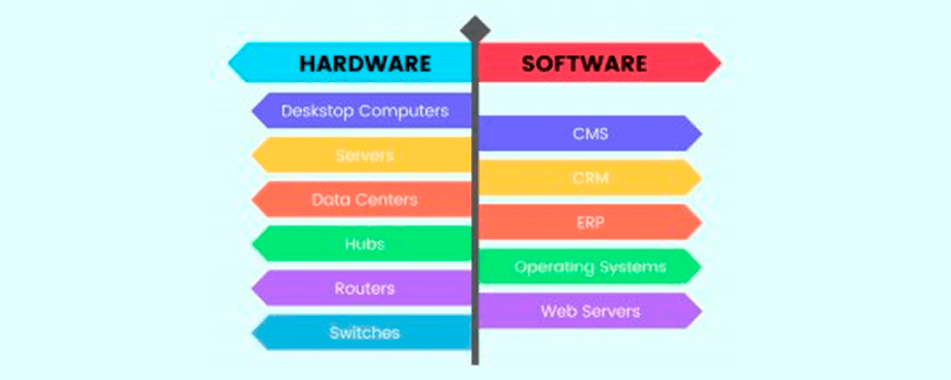
The two core groups of components, hardware and software and the interdependent elements together all formed a complete set of IT infrastructure.
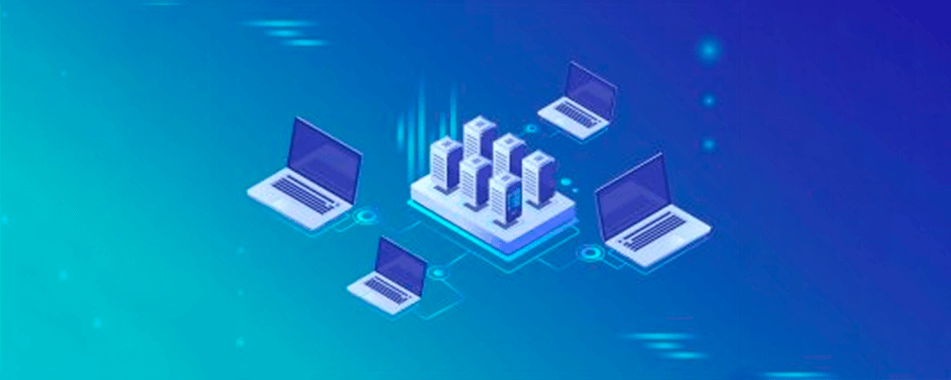
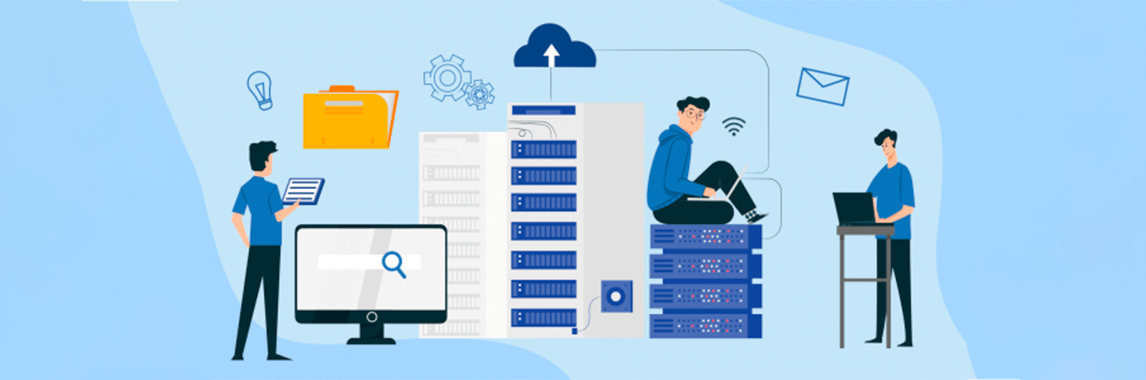
Needless to say, servers are one of the crucial parts of IT infrastructure. They are supposed to be large computers that perform tasks and work as a central hub for resources. It allows multiple users to access the retrieved data and share resources. Depending on the nature of your business, servers could be used for everything from sharing the data to distributing the work.
The data centres are known to be a physical location of four walls which is supposed to be a cool area as it is the room where the servers are kept safe and sound. Data centres are the core of networks, and only the authorized people will have access to the room.
All the data transferred between the machines are travelled through a hub. It’s a physical layer network device that allows multiple computers on different LANs to communicate with each other over a network. They are unable to recognize the data or goal, so it passes on the information to other devices associated with it.
Work similar to hubs, but they can recognize the data it gets. They multitask by sending and receiving the data simultaneously. Hubs and switches serve a similar purpose; however, the switches offer a number of additional and more advanced functions.
Routers are not only capable of giving you access to the online world but also allow you to utilize the internet for transferring data from one user or computer to another. However, sometimes routers are confused with switches and hubs, but they can combine the function of these components.
Facilities or Physical Connections
A well-maintained physical connection does more than just provide the functionality you required. All of the network cablings in your office buildings connect the components of IT infrastructure together.

Traditional infrastructure is all about physical hardware like a desktop computer connected to a network via a remote server and typically based on the usual hardware and software components. This kind of setup demands more power, extra physical space and cost way more than other infrastructure types. Traditional infrastructure is installed on-premises and provide anyone who has access to the hardware a view into the data and application it holds.
When it comes to keeping up with the upgrading IT world, cloud infrastructure is quickly becoming the norm for many businesses due to its reliability, availability and scalability. From hosted private solutions to on-premise solutions, cloud computing is here to stay. The kind of flexibility and scalability it provides is quite impossible with the traditional IT infrastructure.

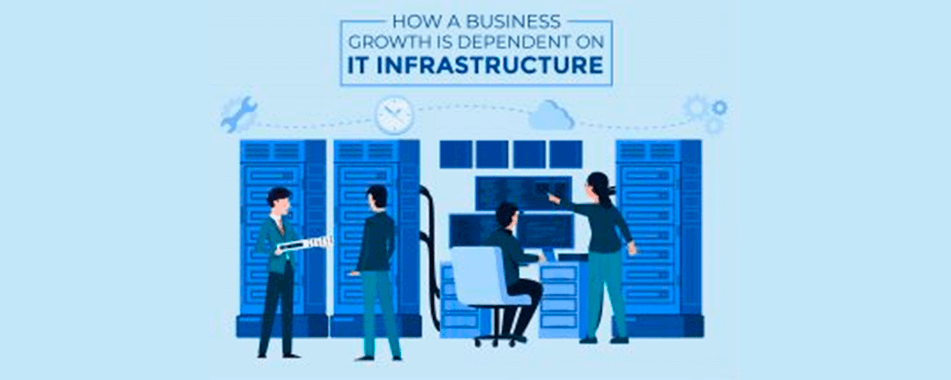
Have you heard about the phrase that success only evolves if the company’s tech does? To stay competitive now and in the upcoming times, focusing on your business IT infrastructure management is highly essential. It plays an essential role in business growth which is often overlooked. Working on grounds like “if it’s not broken, then don’t fix it” is a kind of thinking for disaster, and far sooner than companies expect. Only those willing to adapt the technological change could bring about economic growth and opportunity. Periodic IT infrastructure maintenance should be observed to avoid simple or complex problems.
Here are a couple of things you need to keep in consideration for optimal productivity and business growth.
Adopting the digital transformation means adopting the best function and increase the efficiency that the cloud brings. Cloud adaptation is a kind of strategy which a number of businesses are focusing on these days. It improves the scalability of the internet-based database capabilities while reducing the cost and risk. Healthcare, marketing, finance and education, all sectors are now enjoying the benefits and perks that come with cloud computing.
Constant network upgrading is a bridge to a successful business. The faster the network traffic grows, the harder it becomes to keep up with the old infrastructure. The older networks are not responsible for supporting modern technological demands which will soon result in your business experiencing the restrictions and limitations. If a company still requires long periods of inactivity for upgrades, then you’re on the wrong path. For competing with today’s fast-moving world, business networks need to stop operating on 20th century standards, hardware and procedures.
Understanding your software and keeping it away from being outdated is the most important thing you need to make your business run smoothly. However, once the software is up and running, they tend to overlook it. The software allows business to function and form the architecture for a company’s IT structure. This new IP architecture is a kind of blessing that ensures only better security and built-in ability to adapt the system in real time to changes through machine learning and analytics. Nothing can beat a computer system that virtually maintains itself, and many companies are well on their way to this realization.
Many enterprises are slow to recognize patterns in the business’s IT department. Networks must no longer be considered as pipes and plumbing but as a living, adaptable part of the infrastructure. The company’s growth and health are completely dependent on keeping its networks up to date and innovating them.
Businesses, especially talking for those that have been around for a while, are expected to be very traditional in how they adapt things like technological growth. Here, every operating business needs to understand the waves of technology and ride on it considering the fast running world. Investing in the IT infrastructure is well worth the money and efforts as to how essential information technology is and will continue to be.

Business: A Natural Phenomenon for Growth The world you live in runs on economic activity, an absence or a lack of it means a financial crisis which leads to severe societal problems such as poverty and crime. Businessmen know of this concept very well; they are smart people who should be more appreciated for the economic betterment they help bring about. A huge thanks to them. Though this is not easy, you can’t just get up one day and call yourself a businessman, it takes years of effort and strategic planning to get up there, on your journey there you are at high risk of suffering business losses and there is a chance of an economic downfall. However, nowadays they have become extra cautious about what will work and what won’t. This strategy is very beneficial in the prevention of an economic disaster. Digital Marketing: Your Path to an Online Presence Digital marketing is the most exciting trend when it comes to business, it is a way for businesses to reach out to their potential customers and introduce their products and services to them. By connecting with the customers, businesses find out about the customer’s demands and preferences, it gives them an insight into what change they are looking for and what will become an instant hit, that as soon as it is introduced in the market becomes the choice of millions. But how to do all of this? How to apply clever business strategies that not only bring the company profit but even become a means of innovation and progress in the community? The first step is utilizing social media platforms wisely, it is often said that they are overly addictive and harmful to your well-being, but these are absurd sayings. Transforming Social Engagement into a Marketing Strategy Social media is a great place to put your content out there for everyone to see, share new ideas, and take inspiration from the work of others. They keep you updated on the current happenings and trends and motivate you to present your own and become a part of the content-sharing culture. If it wasn’t for social media the number of customers reached out to would be majorly reduced or you would have to turn to costly and less impactful means of marketing such as TV commercials or billboards. Exploring the Creativity Jungle Digital marketing has significantly outpaced traditional marketing in terms of revenue and outreach. Behind any digital marketing industry goes a team of experts who work tirelessly in attempts to climb heights of success. A content creator is always one of the members, this mastermind is the source of ideas, the importance of this person lies in the fact that if there was no idea how would you even be able to move on to the next step. To bring the idea to life, making videos, blogging, graphic designing and indulging into SEO practices are common methods these experts turn to. Maximizing Reach: Getting More Eyes on Your Content No matter how well-researched and authentic your content is, such as a marketing copy, it is very less likely to perform high in rankings if it lacks SEO tips and tricks applied. SEO helps bring more traffic to your content once it is published on websites and generates more engagement, or else your content will give the vibe that it wasn’t good enough to be given value to. Chasing popularity is commonly referred to as a vain desire, and feels as if a burden on the soul, but not when it comes to digital marketing, here the more popular you are the better. It is all about the numbers and quality both here, not even the most perfect of quality without the numbers is enough for the achievement of business goals. Digital Marketing for Explosive Sales Growth Digital marketing is very driven by the use of advanced tech gadgets such as smartphones, laptops and tablets, through which you can explore apps and avail features that help make your content stand out and be turned into a flawless piece of creativity, one that makes an everlasting impact on the minds of the audience. Say Goodbye to Being Broke Let’s be honest about the intensity of desire for money, it is the most stubborn one, yet not a harmful one, it does nothing less than bring about prosperity, material wealth, and a standard quality of living. Digital Marketing is such a powerful tool that it can let you become a millionaire in even two days. All you have to do is make a few efforts, and put-up good content out there, don’t forget to apply the hashtags, and the SEO techniques and in no time, you will find yourself celebrating the response that comes your way.
Read More
Blogging is a potent tool in the digital marketing domain and exerts a profound influence on the contemporary marketing landscape. Embracing this dynamic medium is essential to win the digital marketing game, as it serves as the linchpin for sustaining brand relevance. Through the artful dissemination of informative content to an audience, blogging not only cultivates a connection with readers and customers but also secures an expanded footprint in the realm of online marketing. Including blog posts in your marketing plan is super important for your business to grow. Once you're in the marketing game, having a business blog is necessary for a cohesive marketing strategy. You can maximize your leads by 70% and get up to 97% more links to your website. It is through engaging blogs that are well-written and dispenses valuable information that visitors seize their attention. Through blogging, you can reach new heights in the realm of digital marketing. Now, let’s dive into some of the most useful strategies; by implementing these, you can leverage your blogging posts as a valuable marketing tool to build brand awareness, engage the audience, and drive business growth. Crack the Code: Know Your Audience Understand your audience that you are catering to! It is crucial and a stepping stone to create a successful blogging strategy. Understanding your target audience can help you tailor your content to address their needs, interests, and challenges, making your blog truly resonate. To truly understand your audience, consider factors like gender, geo-location, age, income, education level, and interests. Leveraging insights from your website analytics and social media metrics is a savvy move for gaining a deeper understanding of your audience! Analyzing this information lets you create detailed buyer personas representing your ideal reader. Once you do that, you can create content that addresses their pain points. Incorporate Consistent Branding Consistent branding scattered across your blog helps to create a cohesive and memorable experience for your audience. It reinforces your brand identity and makes your content instantly recognizable. Another major thing to remember is that when your marketing efforts deliver a unified message, paired with a consistent tone of voice, visual style, and well-defined color palette across all platforms, it strengthens brand recognition and clearly communicates the value your business offers. Maintaining a consistent tone of voice across all blog content is important to reinforcing your brand identity. Your brand's voice should reflect its personality Adopt a perpetual tone of voice reflecting your brand’s personality whether professional, bold, or conversational, all writers should follow established style guidelines to ensure alignment. To further embed your brand into your content, eave in key messages, core values, and your unique selling propositions. Don't forget to integrate relevant keywords that are closely tied o your brand, this not only improves search visibility but also reinforces your messaging across all touchpoints. Increase Blog Engagement We all get wonderstruck by the success of top websites and blogs, the ones we visit regularly and eagerly await new posts from. And so, naturally we aspire to build that same kind of loyal following, where our readers return time and again, excited for our newest content. But while it may seem like a piece of cake, building the community takes more than just publishing great content. To increase the blog engagement, you need to focus on the level of interaction between a blog and its potential readers. Engagement involves measurable actions like comments, shares, likes, and other metrics that indicate how well your blog performs. To maximize your blog engagement, focus on creating compelling content that people can relate to while finding ways to engage website visitors and improve overall website engagement. To make your blog posts even more engaging, add comments and feedback features on your websites; prompt responses to comments on your blog can foster a sense of community. You can also ask open-ended questions to stir up curiosity and use email marketing to nurture relationships to keep your audience hooked. I have recently learned all of the engagement tactics from my HubSpot Content Marketing course. Social Media Integration Integrating social media into your blogs can massively amplify your marketing efforts, by boosting both visibility and engagement. One of the simplest ways to achieve this is by adding social media icons to your landing page. Placing them in the sidebar, footer, or header ensures easy access for visitors who want to connect with you on various platforms. Another way to exhibit your social media presence is by embedding social media feeds into your landing page. This can provide social proof that your business is active and thriving on social media and can increase your credibility with viewers. Adding social media share buttons to your page can also make it easy for visitors to share your content on their own pages and this will eventually increase your content’s visibility and reach a wider audience. You can also boast number of social media followers or the number of social media shares to elevate your credibility and to engage visitors with your content.
Read More